
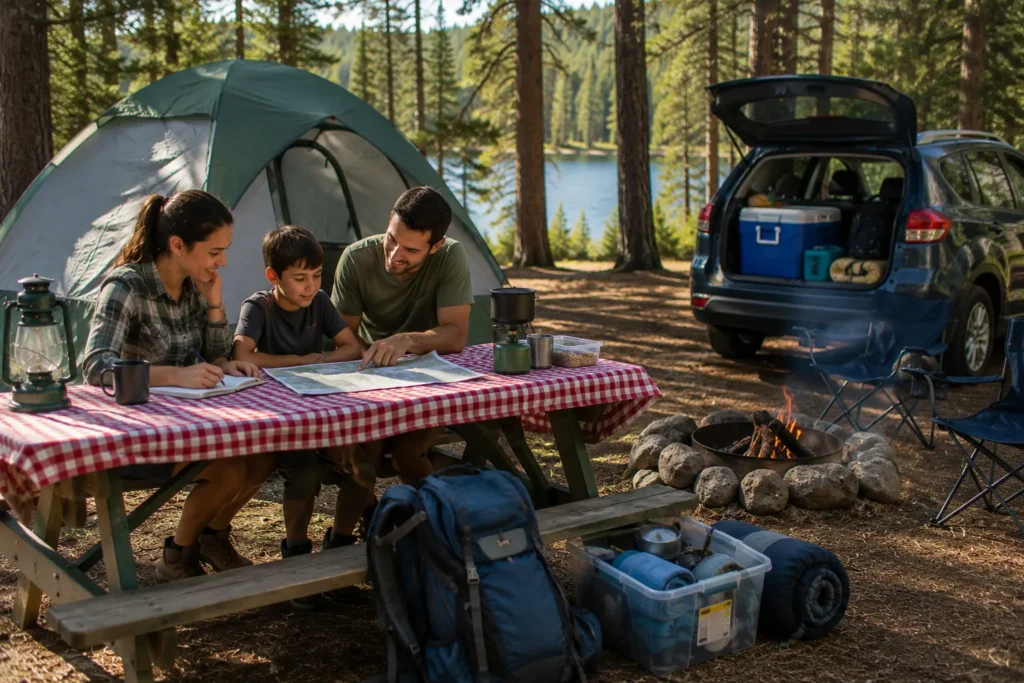
A camping trip does not need a large budget to become memorable. With careful planning, we can enjoy nature, save money, and still stay comfortable. The average U.S. household spent around $867 on camping equipment and trips in 2025, according to industry surveys. However, smart preparation can reduce costs significantly. A well-organized Camping Trip helps families, couples, and solo travelers avoid unnecessary expenses while making the most of every dollar.
Strong planning starts with setting a clear budget. Campsite fees, food, transportation, and equipment usually represent the biggest expenses. Many public campgrounds charge between $15 and $45 per night, while state parks often provide affordable options with useful amenities. Choosing the right destination and packing wisely helps reduce costs without sacrificing the experience. A Camping Trip becomes more enjoyable when expenses stay under control and priorities remain clear.
Set a Realistic Budget Before You Go
Identify Major Camping Expenses
Careful budgeting prevents overspending and helps us prioritize essentials. Transportation, campsite reservations, food, and equipment account for most camping costs. Fuel prices averaged $3.15 per gallon in the United States during early 2026, making distance an important factor when selecting destinations.
Creating a spending plan also helps avoid unexpected purchases. We can allocate money according to our needs instead of buying unnecessary items. Even a modest budget supports a comfortable Camping Trip when expenses are tracked carefully.
Typical costs include:
- Campsite fees: $15–$45 per night.
- Food and snacks: $10–$20 per person daily.
- Fuel expenses: Based on travel distance.
- Firewood and supplies: $10–$25.
- Equipment purchases or rentals: Variable.
Sample Budget Table
| Expense Category | Estimated Cost |
|---|---|
| Campsite Fee (2 nights) | $60 |
| Food and Drinks | $80 |
| Fuel | $45 |
| Firewood and Supplies | $20 |
| Equipment Rental | $40 |
| Total Budget | $245 |
Choose Affordable Campgrounds and Destinations
Explore State Parks and Public Campgrounds
Public campgrounds offer excellent value for budget-conscious travelers. Many state parks provide restrooms, picnic tables, and hiking trails without premium prices. National forests also offer dispersed camping in designated areas at little or no cost.
Selecting locations close to home reduces transportation costs. Driving fewer miles lowers fuel expenses and allows us to spend more on activities. A Camping Trip planned within a few hours of home often delivers the same enjoyment as a distant destination.
Popular low-cost camping options include:
- State parks.
- National forests.
- County campgrounds.
- Army Corps of Engineers campgrounds.
- Free dispersed camping areas.
Book Early to Save Money
Early reservations increase campsite availability and prevent peak-season price increases. Weekend sites often sell out months ahead, especially during summer holidays. Booking early also provides more choices and better locations.
Flexible travel dates can further reduce expenses. Midweek camping trips usually cost less and attract fewer visitors. Families and beginners often find quieter campgrounds more relaxing and easier to manage.
Save Money on Equipment and Food
Borrow or Rent Camping Gear
Buying expensive gear is unnecessary for beginners. Renting equipment or borrowing from friends significantly lowers upfront costs. Outdoor retailers often offer tent rental packages for less than $50 per weekend.
Essential gear should receive priority. Sleeping bags, tents, lanterns, and cooking equipment cover basic needs. Extra gadgets may add convenience but often increase costs unnecessarily. A Camping Trip remains enjoyable without luxury accessories.
Important items include:
- Tent.
- Sleeping bags.
- Flashlights.
- Portable stove.
- Cooler.
- First aid kit.
Prepare Meals in Advance
Home-prepared meals save money and reduce waste. Cooking simple dishes such as pasta, sandwiches, eggs, and grilled vegetables costs much less than restaurant meals. Grocery prices remain lower than dining out during travel.
Reusable containers and coolers preserve food efficiently. Planning meals before departure prevents impulse purchases at convenience stores. A Camping Trip becomes easier when meals are organized and ingredients are packed ahead of time.
Enjoy Free Activities During Your Camping Adventure
Take Advantage of Nature-Based Recreation
Many outdoor activities require little or no spending. Hiking, fishing, birdwatching, and swimming provide entertainment while connecting us with nature. Most campgrounds offer access to scenic trails and picnic areas at no additional cost.
Families can also organize games and evening activities around the campfire. Stargazing remains one of the most memorable experiences because it costs nothing and creates lasting memories. A Camping Trip focused on simple experiences often delivers the greatest satisfaction.
Budget-friendly activities include:
- Hiking.
- Wildlife photography.
- Fishing.
- Swimming.
- Campfire storytelling.
- Stargazing.
Start your journey with our guide to outdoor adventure.
Limit Unnecessary Spending
Avoiding impulse purchases helps maintain the original budget. Souvenirs, expensive snacks, and extra equipment can quickly increase expenses. Setting spending limits before departure makes decision-making easier.
Tracking expenses during the trip also provides better financial control. Many travelers find that staying organized prevents unexpected costs. Small savings throughout the journey add up and keep the overall Camping Trip affordable.
Conclusion
Planning an affordable outdoor adventure requires preparation rather than large amounts of money. Setting a budget, choosing low-cost campgrounds, preparing meals, and focusing on free activities help reduce expenses considerably. Renting equipment and traveling shorter distances further improve value. A Camping Trip becomes rewarding when spending stays under control and experiences take center stage. With thoughtful planning and smart decisions, we can enjoy nature, create lasting memories, and keep costs manageable without sacrificing comfort or fun.